
Imports vs Local Fashion: Why What You See Isn’t Always What You Get
Posted by Ursula on 20th Feb 2026
A Sunday Lunch, a Gucci Jersey, and a Surprise Scroll
It started with a casual Sunday lunch visit. I wore one of my favourite Gucci jerseys, and my younger cousin, in her twenties, clearly noticed. She came and sat next to me on the couch, phone in hand, scrolling through Shein. She leaned over and said, “Look! Shein sells Gucci… and so many other big brands!”
Sure enough, there were listings for designer names. A Gucci card holder with little cherries on it was priced around R12 000 — close enough to boutique pricing to feel believable. For an untrained eye, that can create instant trust.
My Own Experience with Imports
I’ve shopped on Shein and Temu. Some purchases have been a win — a nice dress or some air fryer liners at a fraction of what I might expect to pay locally. And yes, when it works out, it can feel like a bargain. I love bargains.
One occasion, I decided to spoil myself with a Dolce & Gabbana dress online. However, it was a little too snug for my liking. When I tried to return it, there was a note — duties are not refundable. As you can imagine, the duty was a substantial amount. This would have equated to a massive loss on my part. I avoided the return and vowed to lose some weight instead.
The same business model that makes these platforms appealing for certain types of fashion doesn’t always translate well to luxury or even day-to-day fashion. It’s not a long-term win for our local economy.
Reality Check: The True Cost Behind Social Media Shopping Hype
You might have seen the buzz on TikTok about Shein now showing import duties at checkout. It sounds great — and it is — because you can finally see upfront what extra charges you will be paying. Before you check out, you can use this value to work out how much more your items will actually cost you.
Clothing imports in South Africa are subject to a 45% import duty plus value-added tax (VAT). Let’s take a simple example: you want to purchase 3 items for a total of R1 000. After duty and VAT, your order value jumps to R1 667. Instead of each item costing you R333, it now costs R555 — quite a big jump when you break it down.
Read the full article from SA Accounting Academy
Why Price Alone Isn’t Proof
We often assume that if a luxury item is priced high, it must be the real deal. But online, that isn’t always the case. Counterfeit and “look-alike” products are a documented problem in global e-commerce — from handbags to clothing — and many designs closely resemble well-known labels. Read the full article from Time.com
That’s why price alone can’t be your measure of trust. Without knowing the seller or product source, there’s no guarantee it’s genuine. That uncertainty is exactly why counterfeit goods can thrive online.
The Hidden Cost to South Africa
Every time a South African shopper sends their money overseas, it’s money that doesn’t circulate in our own economy. Imported fast fashion may feel like a win at checkout, but it comes with:
-
Fewer jobs supported locally.
-
Less money staying in our communities.
-
Increased competition for businesses that cannot compete with mass-volume pricing.
In a recent article by MyBroadband, it was reported that Shein and Temu have cost South Africa 8,000 local jobs. Read the full article here.
Supporting South Africa isn’t just about rugby and soccer games. It’s also about choosing proudly South African outlets, sustaining local entrepreneurship, keeping and creating jobs, and helping our economy grow.
Affordable Local Fashion Vs The Import Gamble
Here’s the part many shoppers don’t realise: you can get the same price point locally — often better — without the duties, long waits, or gamble on quality. You also get the convenience of quick returns and your money back, without dealing with international logistics and losing your duty charges should you wish to return something.
At The Shopping Cart, you’ll find:
The Versace Price Reality Check
And if luxury is your thing, the savings can be even bigger:
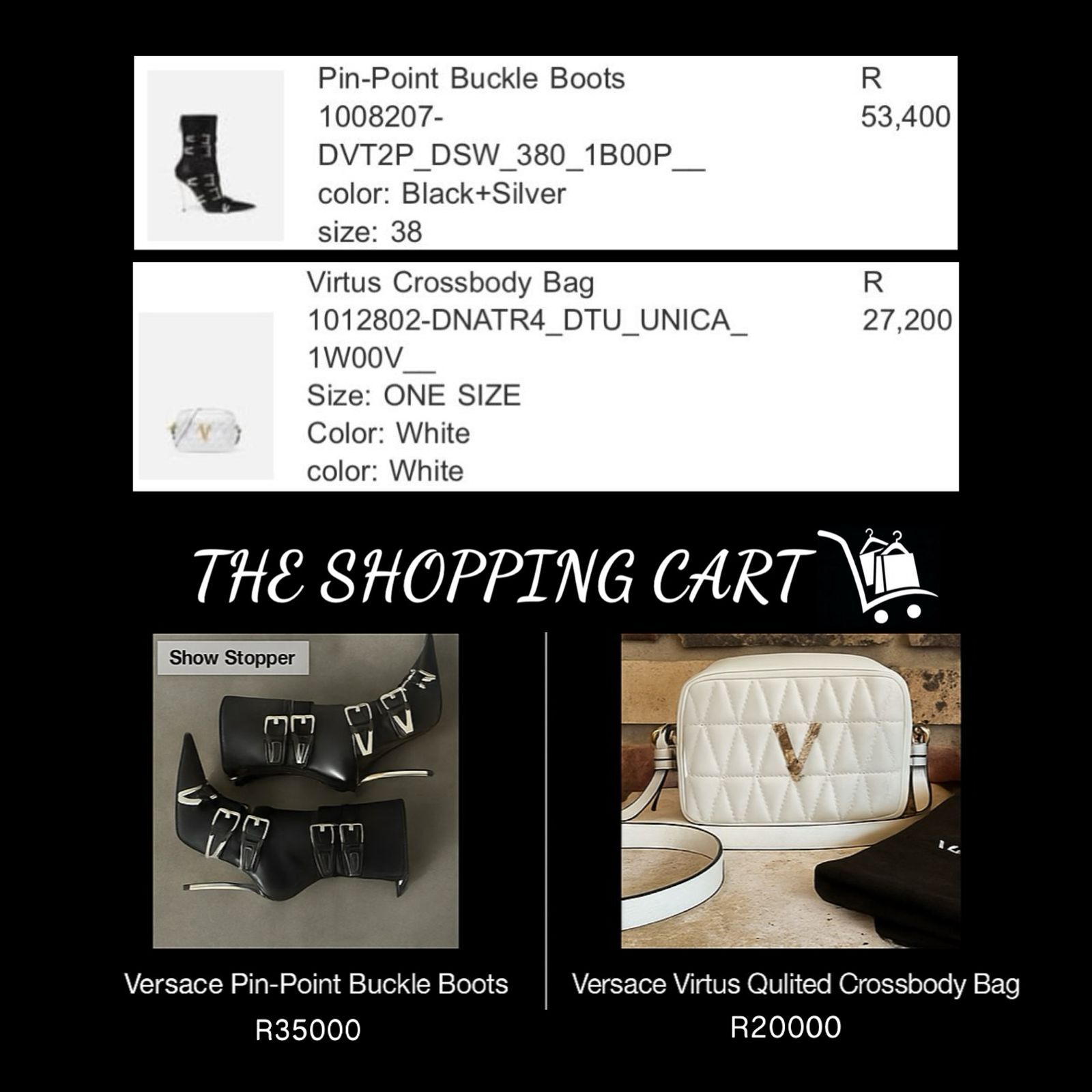
- Versace South Africa retail: R53 400
- The Shopping Cart price: R35 000 (that’s 34% less than retail and is unworn, like-new condition)
- Versace South Africa retail: R27 000
- The Shopping Cart price: R20 000 (26% less than retail)
(*Prices based on Versace.com - South Africa user, which lists in Rands.)
This isn’t about saying never buy imports. It’s about being informed about what you’re doing with your money and making conscious choices that also help grow the country you live in. South Africa is facing economic challenges, and supporting local businesses is one way to keep our economy moving forward.
Shopping Smart in a Global Market
There’s nothing wrong with loving a bargain. I definitely do, whether it’s from a global import platform or a local online store. But knowing the story behind the import price tag, especially for luxury goods, can save you from disappointment later.
At The Shopping Cart, we blend both worlds: new and pre-owned, luxury and everyday fashion. All curated, vetted, and delivered with full transparency. Proudly South African, proudly supporting our economy.
At the end of the day, imports vs local fashion is about more than just price tags. It is about understanding the real costs — from duties you can never get back to the jobs lost when money leaves our economy. Choosing local does not mean giving up on style, variety, or even luxury. It means supporting businesses that are rooted here, that deliver quickly, and that stand behind what they sell.
Whether you are after a bargain or a designer splurge, shopping local lets you enjoy your purchase without the hidden risks that often come with imports.